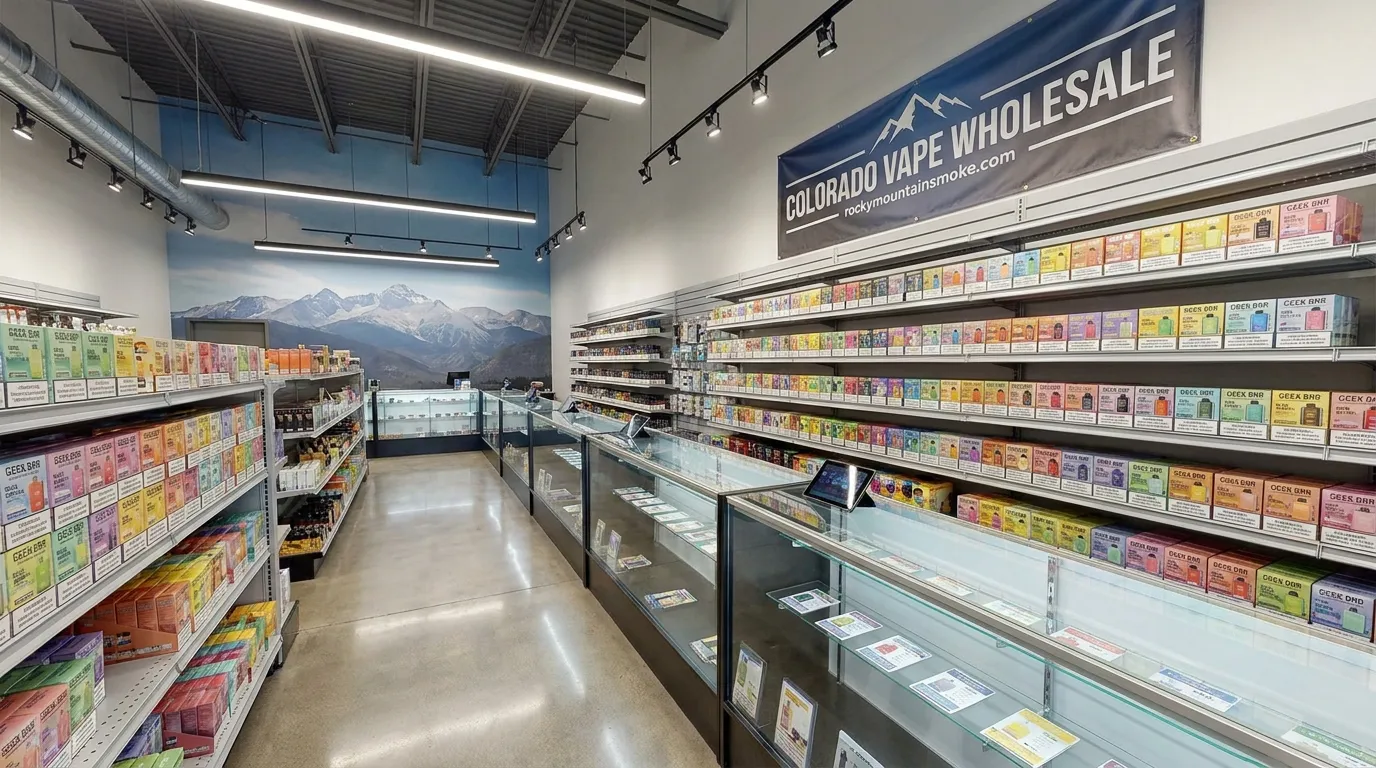
Running a retail business that sells electronic nicotine delivery systems and related products requires careful attention to federal, state, and local regulations. Whether you’re opening a new store or expanding an existing retail operation, understanding Colorado Vape Wholesale is an important part of operating responsibly and legally.
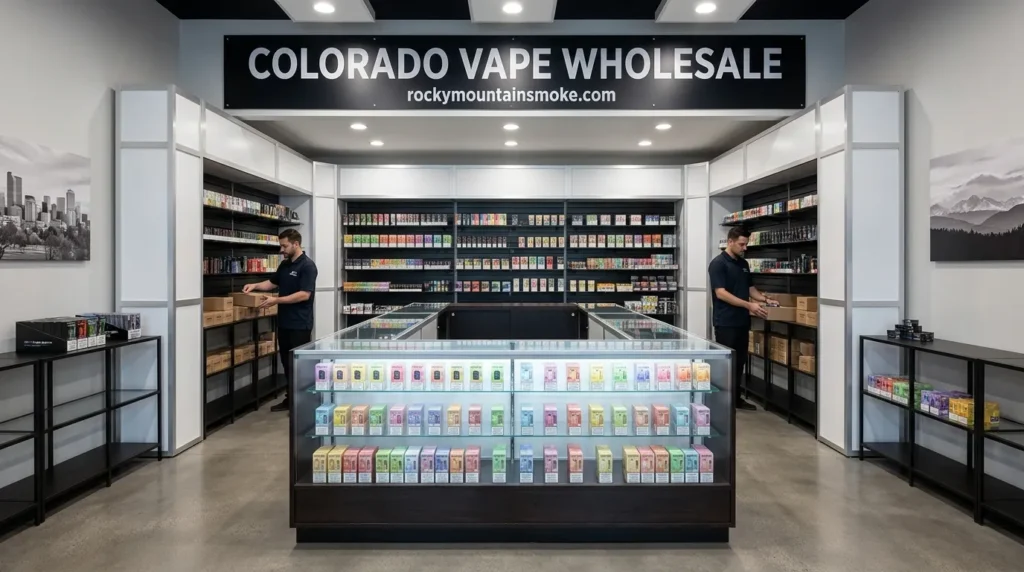
This guide explains key compliance considerations for licensed retailers, including age verification, licensing, product authenticity, inventory management, and responsible business practices. It is intended as general educational information and does not replace legal advice or guidance from Colorado Vape Wholesale regulatory authorities. rockymountainsmoke.com
Why Compliance Matters
Retailers today operate in an environment where regulations continue to evolve. Understanding applicable laws helps businesses:
- Protect customers
- Reduce regulatory risk
- Maintain accurate business records
- Improve operational standards
- Support responsible retail practices
Businesses should always verify current state and local requirements before making purchasing or operational decisions.
Understanding Colorado’s Regulatory Environment
Colorado Vape Wholesale has adopted regulations governing the retail sale of tobacco and nicotine products, including electronic nicotine delivery systems.
Depending on your business activities, retailers may need to comply with requirements involving:
- Business licensing
- State and local permits
- Tax obligations
- Product restrictions
- Recordkeeping
- Age verification
- Marketing limitations
Requirements can differ between municipalities, so businesses should review applicable local ordinances in addition to state law.
Licensing Considerations
Retail businesses should ensure that all required licenses and registrations are obtained before selling regulated products.
Licensing may involve:
- State registrations
- Local business licenses
- Sales tax registration
- Tobacco or nicotine retail licensing where applicable
Maintaining current licenses and renewing them on time helps reduce compliance issues.
Age Verification Responsibilities
One of the most important compliance responsibilities for retailers is preventing underage sales.
Best practices include:
- Checking valid government-issued identification
- Training employees regularly
- Using electronic age verification systems where appropriate
- Following store policies consistently
- Refusing sales when age cannot be verified
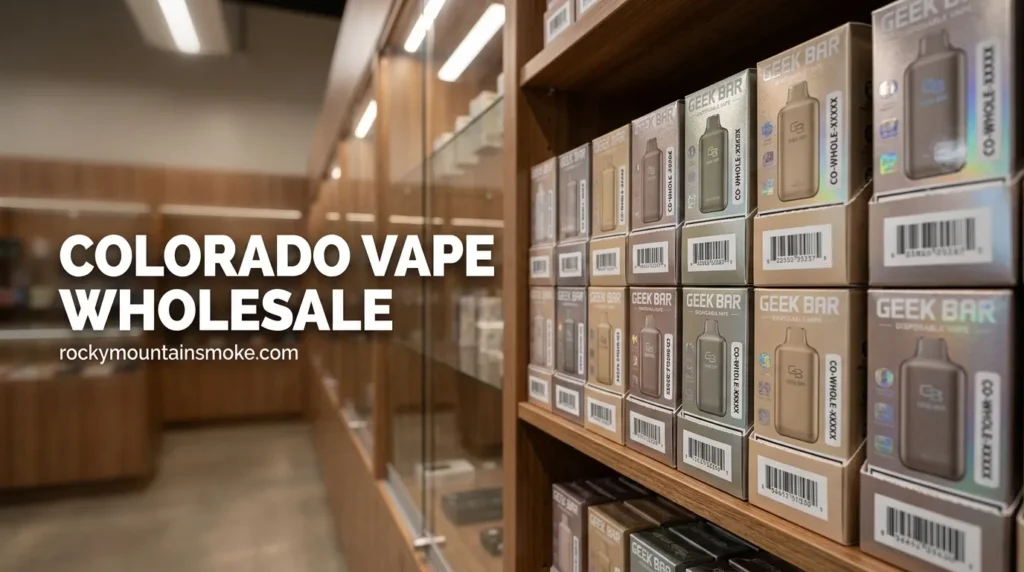
Clear employee procedures can help support responsible retail operations.
Product Authenticity
Retailers benefit from establishing processes that help verify product authenticity and improve inventory confidence.
Recommended practices include:
- Maintaining invoices and purchase records
- Keeping supplier documentation organised
- Reviewing packaging for consistency
- Recording batch or lot information when available
- Monitoring manufacturer announcements regarding recalls or updates
Documentation can also assist with inventory management and compliance reviews.
Inventory Management Best Practices
Effective inventory systems support both operational efficiency and regulatory compliance.
Businesses often maintain records covering:
- Product descriptions
- Quantities received
- Purchase dates
- Supplier information
- Inventory movement
- Sales records where required
Regular inventory reviews can help identify discrepancies and improve business processes.
Employee Training
Employees play an important role in maintaining compliant retail operations.
Training topics may include:
- Age verification procedures
- Customer identification checks
- Store policies
- Product handling
- Recordkeeping
- Customer service expectations
- Compliance reporting
Ongoing education helps reinforce consistent procedures across the business.
Store Operations
Well-organised retail operations contribute to a professional customer experience.
Operational considerations include:
- Clearly displayed policies
- Organised inventory storage
- Clean retail environment
- Secure product storage
- Accurate pricing
- Employee accountability
- Routine compliance reviews
Maintaining organised systems supports efficient daily operations.
Responsible Customer Service
Responsible retailers focus on providing factual information rather than making health or therapeutic claims.
Staff members should avoid statements suggesting that products:
- Treat medical conditions
- Help people quit smoking unless supported by authorised claims
- Are risk-free
- Are appropriate for minors
Providing accurate information helps customers make informed decisions while remaining within applicable regulations.
Working With Business Suppliers
Retailers often evaluate suppliers using objective business criteria such as:
- Business registration
- Product documentation
- Consistent inventory availability
- Reliable shipping practices
- Invoice accuracy
- Customer support
- Transparent communication
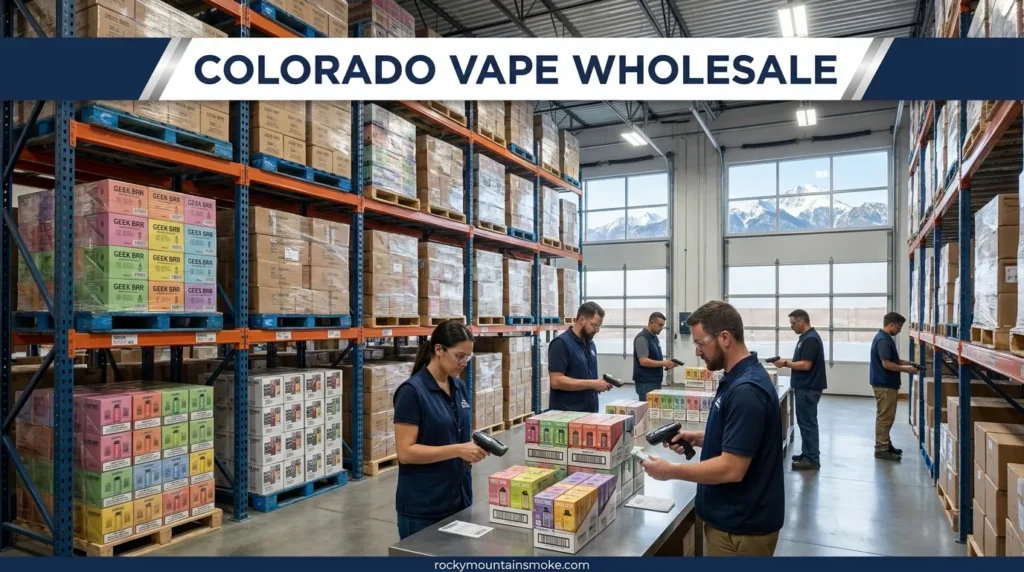
Maintaining organised supplier records can simplify audits and inventory reconciliation.
Recordkeeping
Accurate records support compliance and day-to-day business management.
Businesses may maintain documentation including:
- Purchase invoices
- Tax records
- Inventory reports
- Employee training logs
- Licensing information
- Inspection documentation
- Business correspondence
Organised records can make regulatory reviews significantly easier.
Staying Current With Regulatory Changes
Regulations can change over time.
Retail businesses should regularly monitor:
- Colorado state agencies
- Local government announcements
- Federal regulatory updates
- Industry compliance resources
Reviewing current information periodically helps businesses adjust policies when necessary.
Technology and Compliance
Modern retail systems can assist businesses by supporting:
- Digital inventory tracking
- Point-of-sale reporting
- Age verification tools
- Sales reporting
- Inventory reconciliation
- Employee permissions
- Secure record storage
Technology can improve operational efficiency while supporting compliance efforts.
Customer Education
Providing educational information helps customers better understand products and store policies.
Examples include:
- Age verification requirements
- Return policies
- Product care instructions
- Battery safety guidance
- Proper disposal information
Educational materials should remain factual and avoid unsupported claims.
Supporting Responsible Retail Practices
Responsible retailers contribute to safer business operations by emphasising:
- Compliance
- Employee training
- Accurate documentation
- Product authenticity
- Professional customer service
- Continuous operational improvement
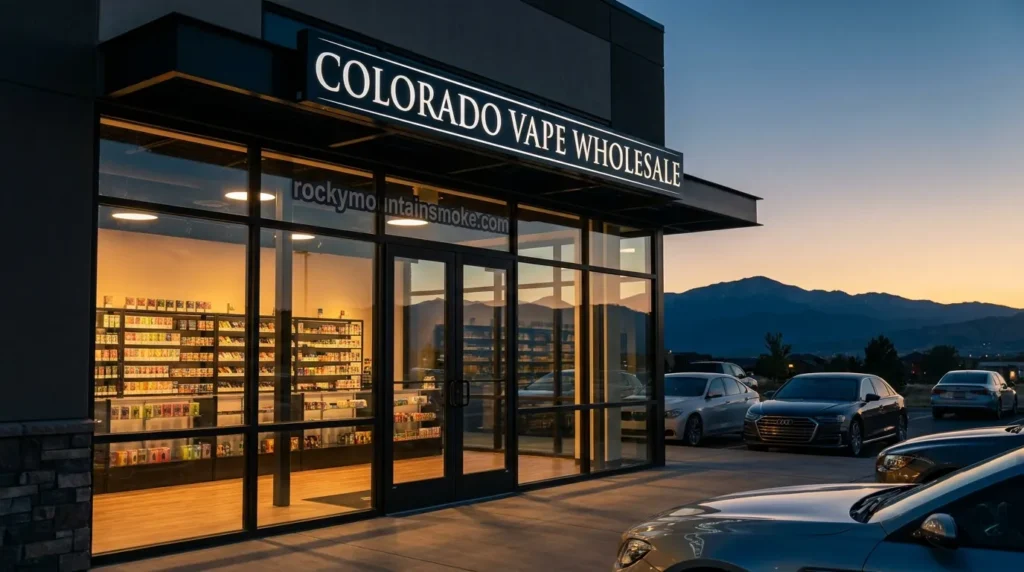
A structured compliance program benefits both businesses and customers.
About Rocky Mountain Smoke
Rocky Mountain Smoke is an informational resource for adult retail businesses seeking guidance on responsible retail practices and operational considerations in Colorado.
Visit rockymountainsmoke.com to learn more about educational resources, business information, and updates relevant to licensed retailers.
Frequently Asked Questions
What licenses may a Colorado retailer need?
Requirements vary by jurisdiction and business model. Retailers should consult state and local authorities regarding licensing obligations.
Why is age verification important?
Age verification helps retailers comply with applicable laws and supports responsible retail practices.
Why should businesses maintain purchase records?
Purchase documentation assists with inventory management, recordkeeping, and compliance reviews.
How often should employees receive compliance training?
Many businesses provide initial training during onboarding and periodic refresher training thereafter.
Where can retailers find updated regulatory information?
Retailers should consult official Colorado state agencies, local governments, and relevant federal regulatory sources for the latest requirements.
Conclusion
Understanding Colorado Vape Wholesale is an important part of operating a responsible retail business. Staying informed about licensing, age verification, recordkeeping, employee training, and inventory management can help businesses build reliable operational processes while complying with applicable laws. Because regulations can change, retailers should routinely review official guidance and seek professional legal or regulatory advice when needed.